

July 11, 2026

The Margam

The path of the performance — from invocation to benediction.


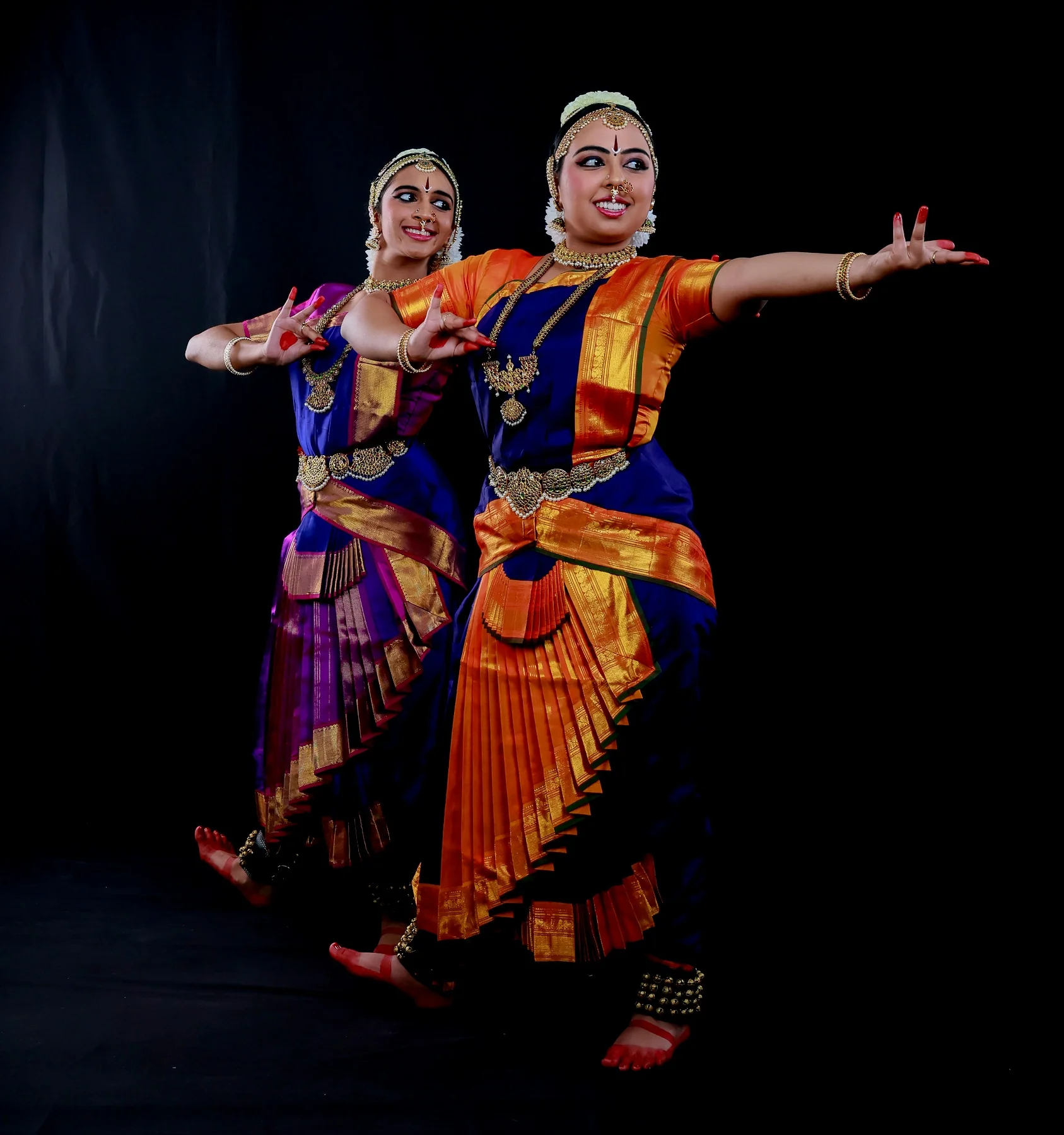
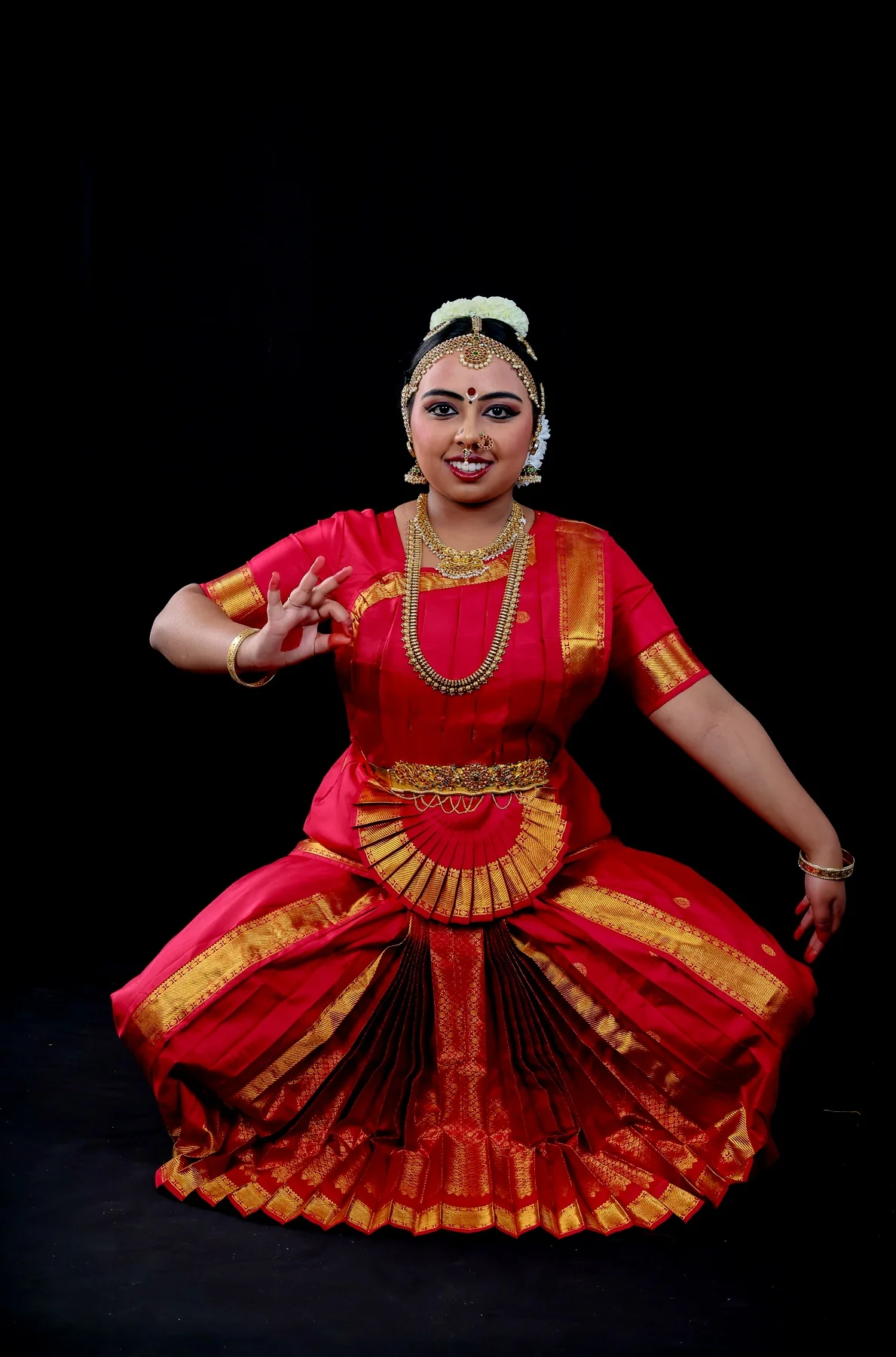
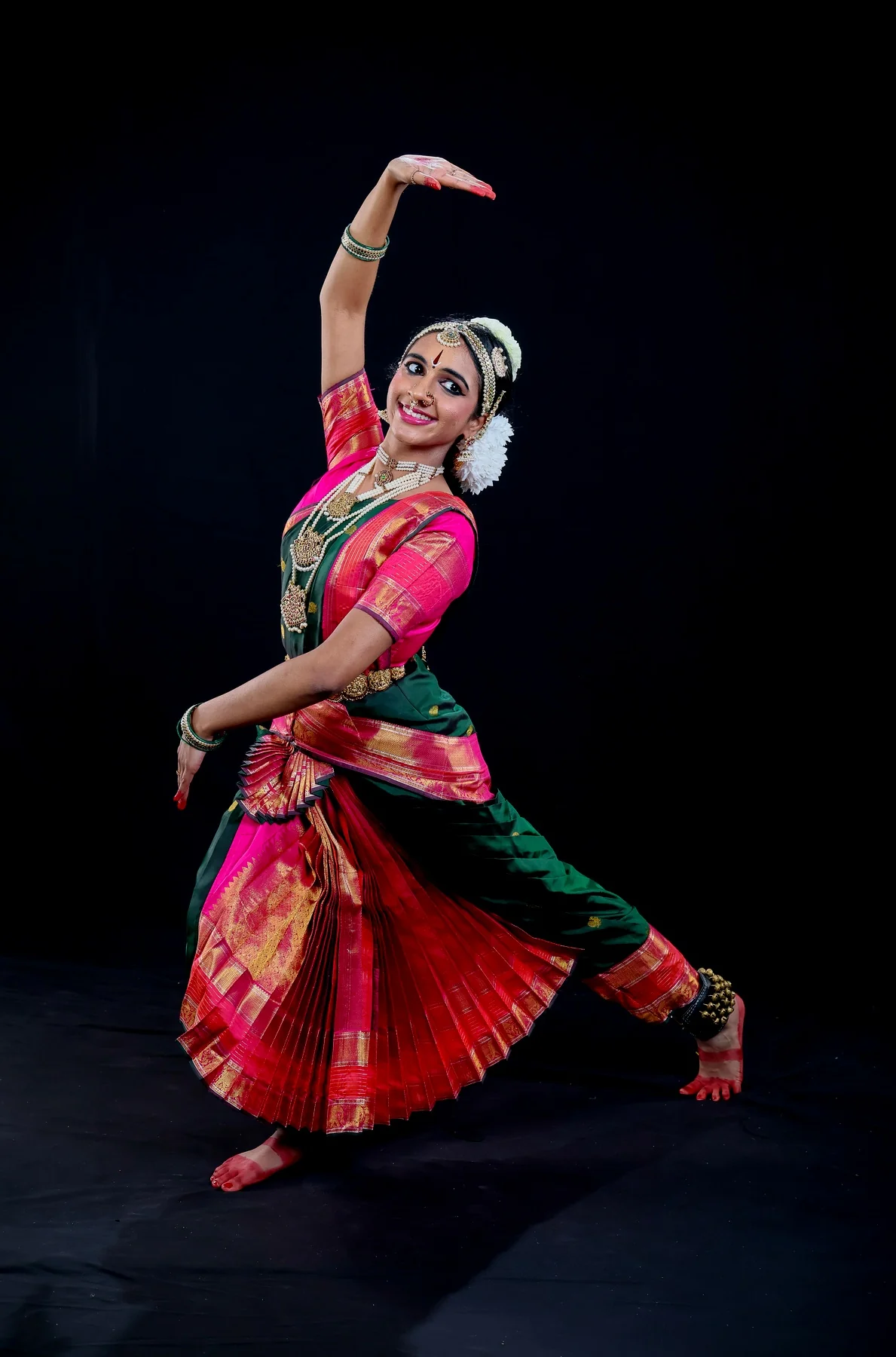
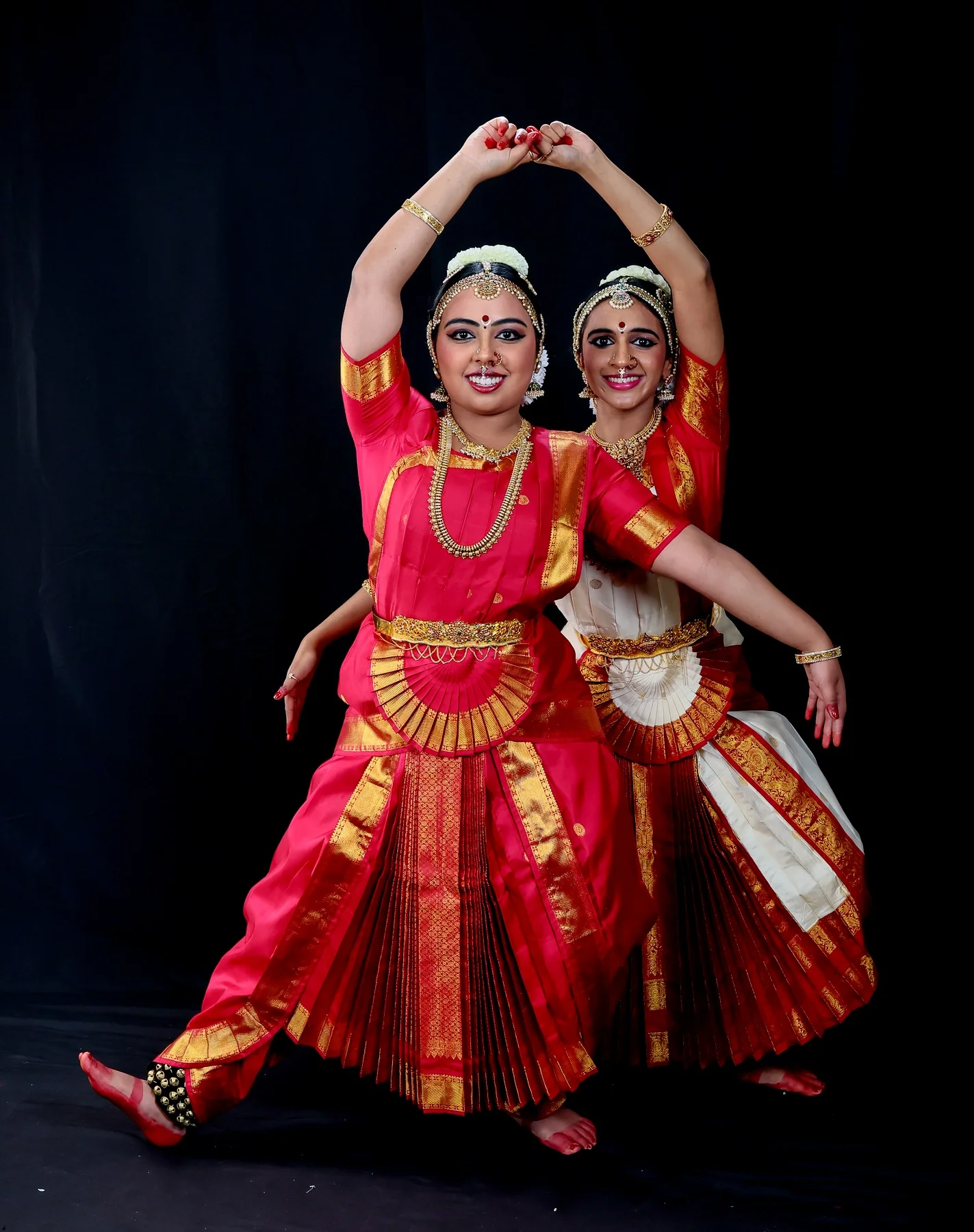
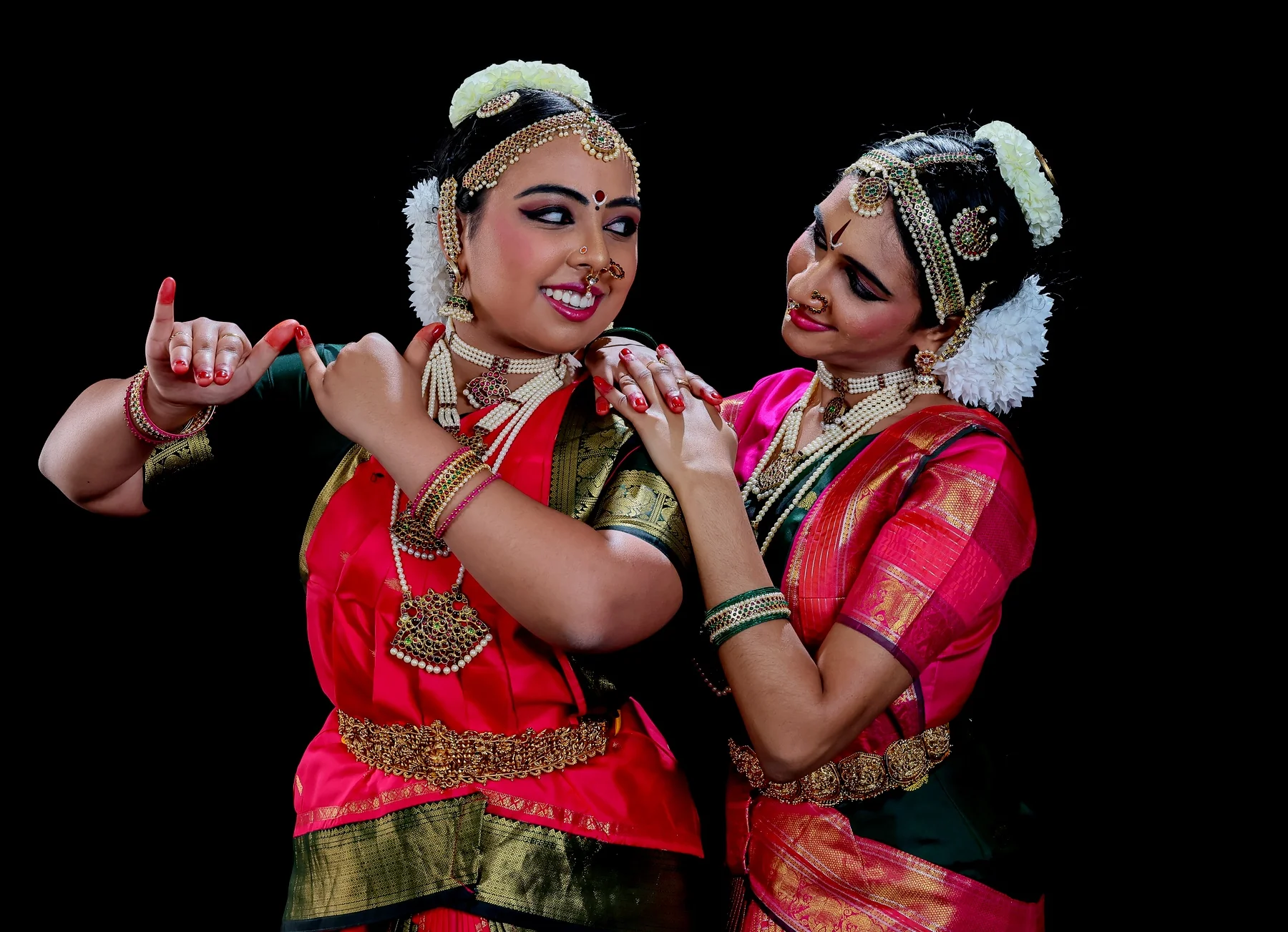
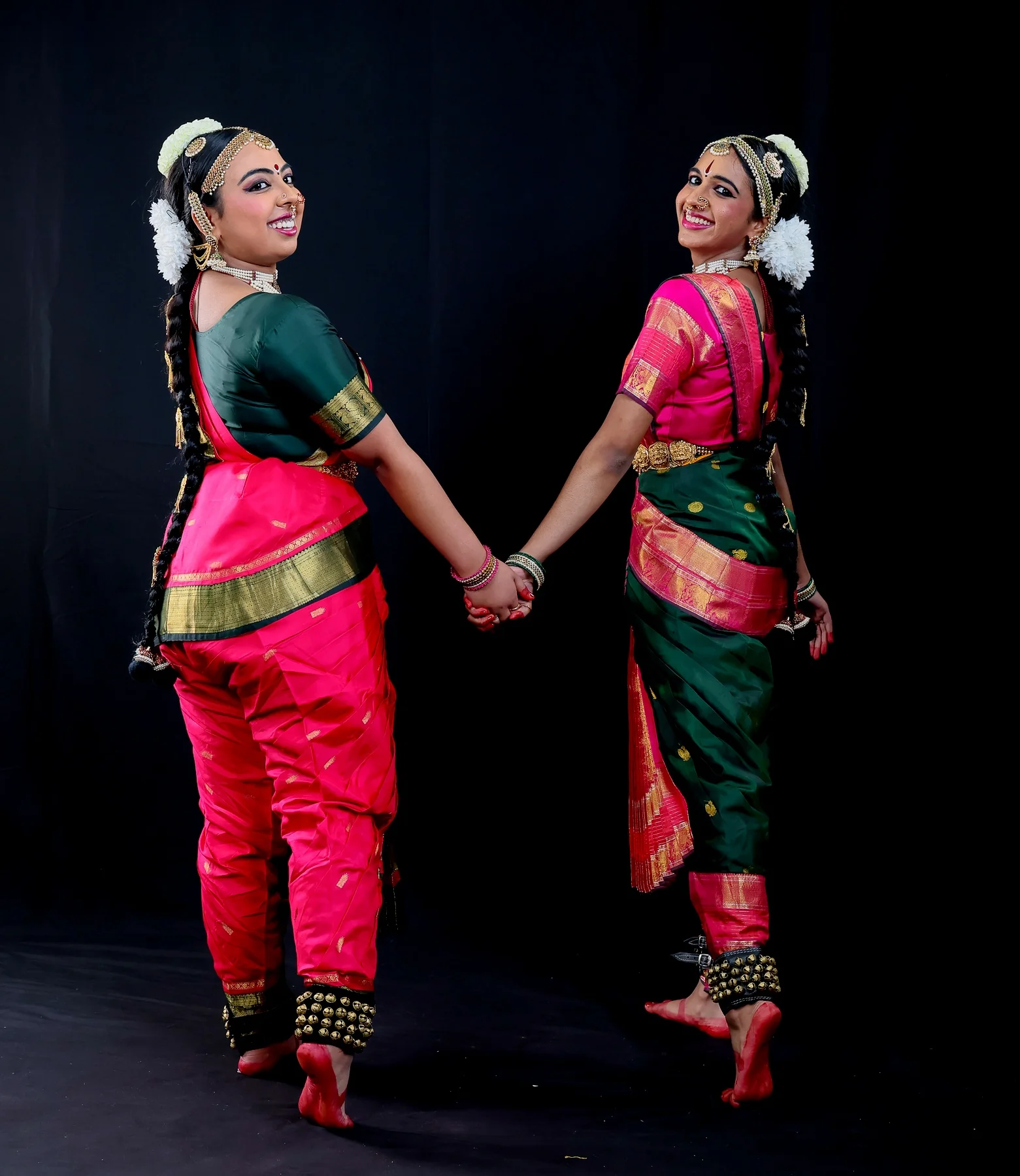
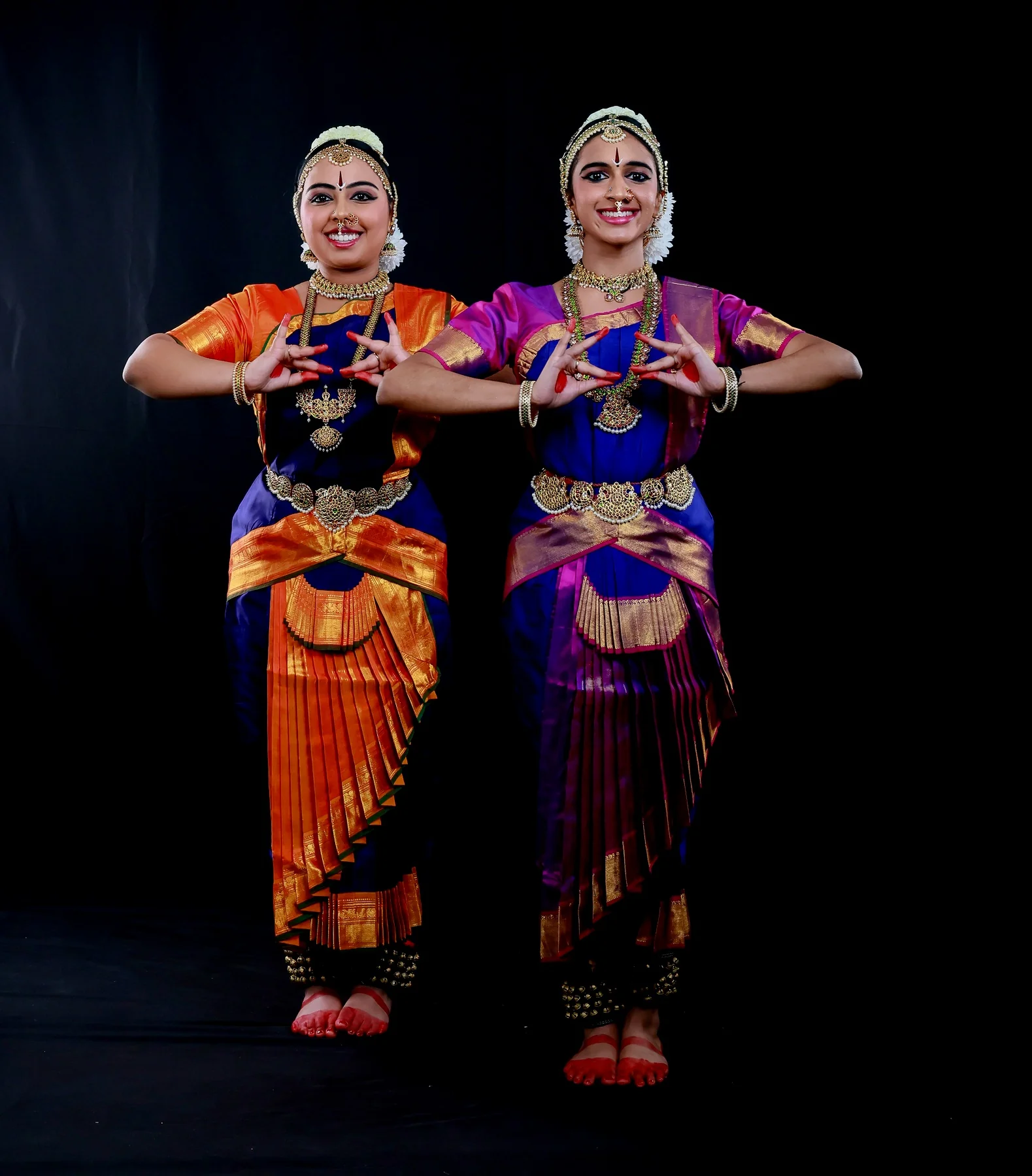
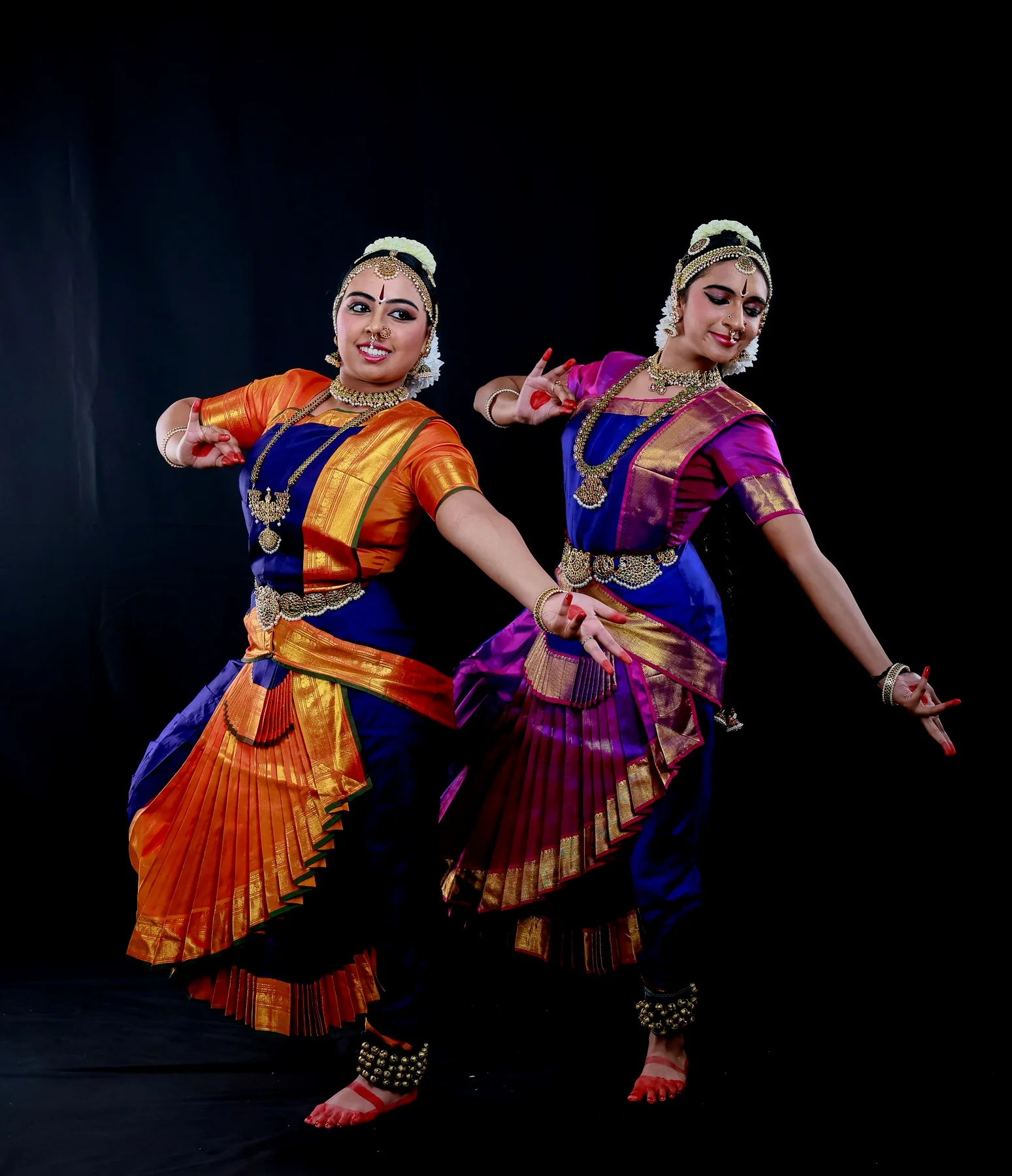
In Bharatanatyam, the Margam means "the path." It is a carefully calibrated journey — from invocation and awakening, through pure rhythm and the demanding emotional centerpiece of the Varnam, into expressive storytelling, folk devotion, and rhythmic celebration, closing with gratitude. For Shreya and Shriya, this Margam also reflects the evening's larger theme: Samanvaya, the harmony of roots and wings.

Quick Reference Key Terms ↓
Margam
The traditional "path" or sequence of a Bharatanatyam performance.
Nritta
Pure dance — rhythm, line, geometry, and movement without narrative.
Abhinaya
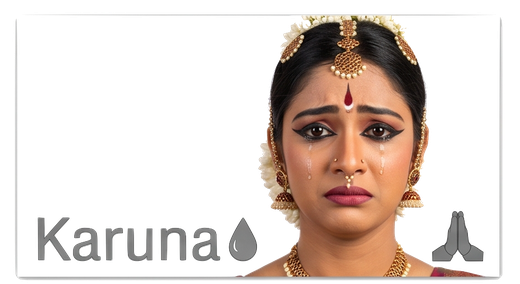
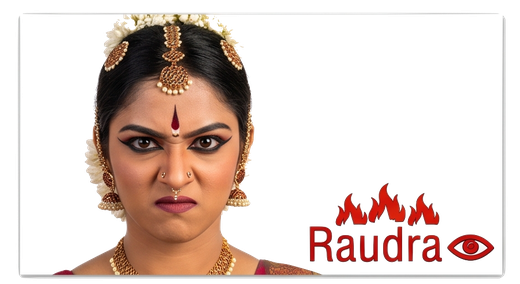
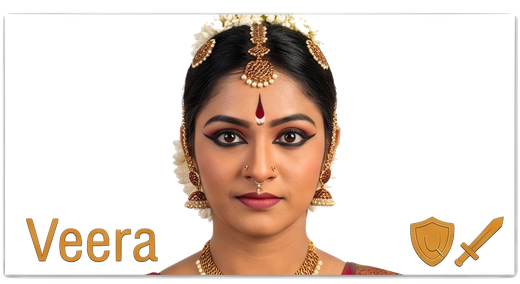
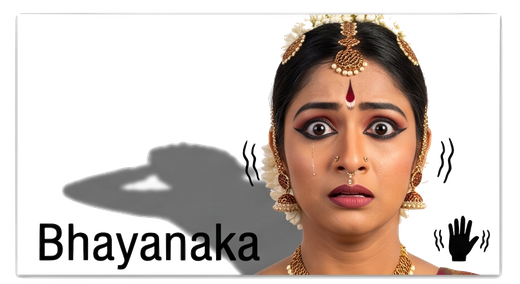
Expressive storytelling through the face, eyes, hands, and body.
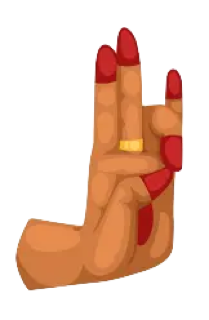
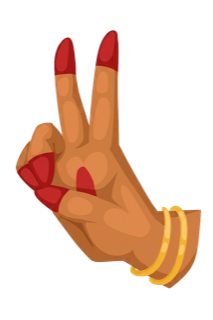
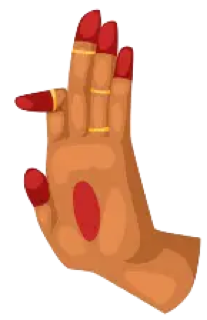
Mudra
A symbolic hand gesture with precise codified meaning.
Varnam
The centerpiece of the Margam, combining rhythm and emotional depth.
Padam
A slower expressive item centered on storytelling and devotion.
Thillana
A fast rhythmic finale filled with energy and sculptural movement.
Aramandi
The half-seated posture — knees bent outward — that is the foundation of Bharatanatyam.

At A Glance

# Item Type Raga Theme Duration
1 Thodaya Mangalam Pushpanjali Nattai Vishnu · Invocation 10:08
2 Kanda Alarippu Alarippu Pure dance 4:47
3 Kalyani Jatiswaram Jatiswaram Kalyani Pure Nritta 8:38
4 Innam En Manam Varnam Charukesi Krishna 36:17
5 Sarinigar Samanamana Deivam Padam Ananda Bhairavi Ayyappa · Sabarimala 7:23
6 Azhagu Deivamaga Vandu Kavadi Chindu Folk melody Muruga · Palani 6:36
7 Anandamritakarshini Keerthanam Amritavarshini Goddess · Rain · Renewal 13:00
8 Dhanashree Thillana Thillana Dhanashree Rhythmic climax TBD
9 Mangalam Mangalam Suruti Benediction 2:35
01
Pushpanjali

Thodaya Mangalam

Raga Nattai Adi Tāla 10:08

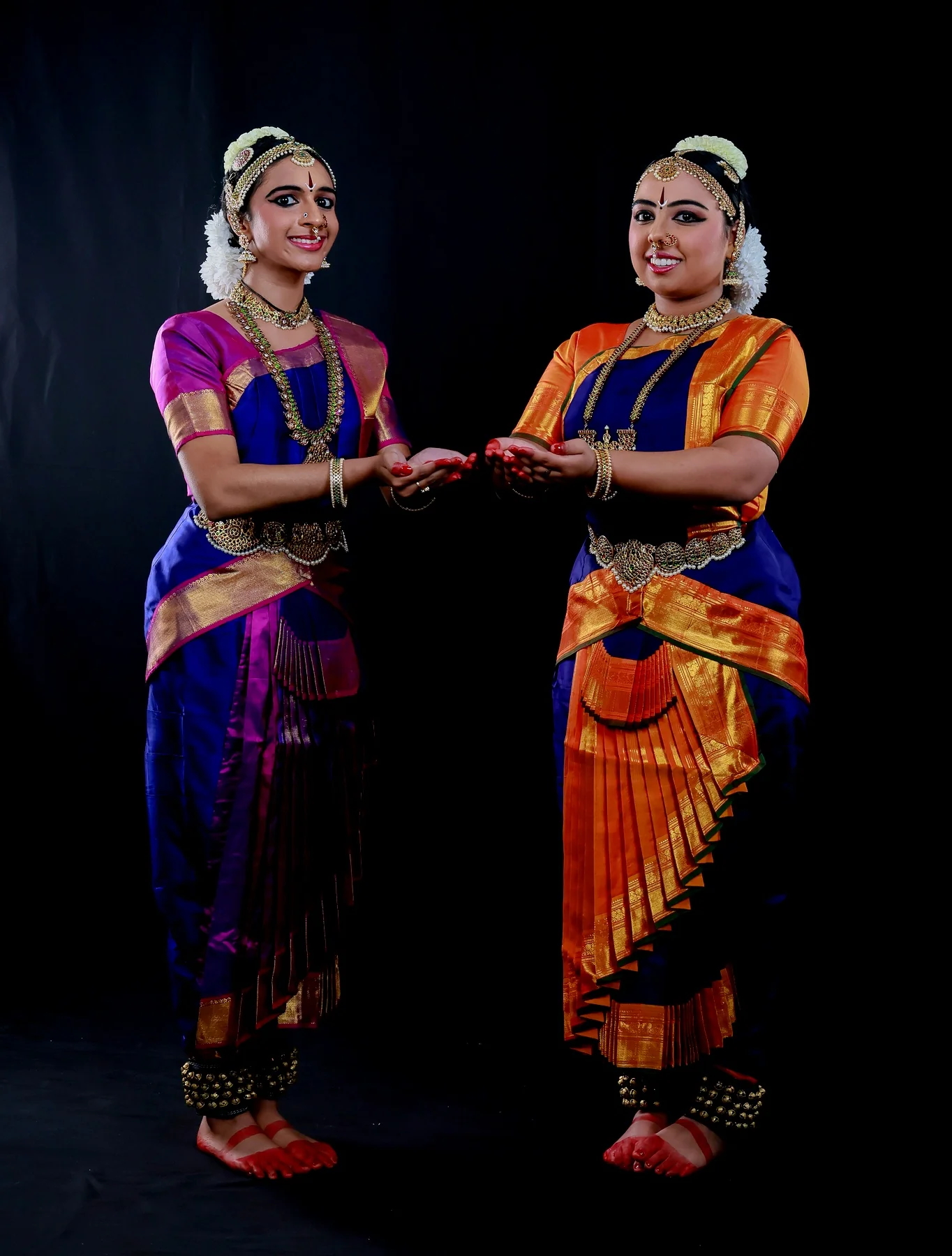
The evening begins with an invocation. The dancers offer flowers through movement, seeking blessings from the divine, the guru, the musicians, the stage, and the audience. This is not simply a beginning — it is a ceremony of permission.

Watch for

Watch how the gestures move downward: offering, not displaying. The eyes are not performing yet — they are praying.
02
Alarippu

Kanda Alarippu

Tisra Tāla 4:47

"Alarippu" means "a flowering bud." There is no story — only movement discovering itself. The dancer's body awakens gradually: eyes, neck, shoulders, torso, arms, and feet bloom in sequence. In a duo, Alarippu becomes a test of unison and trust.

Watch for

Notice the posture — knees bent outward, weight low, spine tall. This is Aramandi, the foundation of every movement in Bharatanatyam. Watch the two dancers move as one, never looking at each other.

03
Jatiswaram

Kalyani Jatiswaram

Raga Kalyani Rupakam Tāla 8:38

A Jatiswaram pairs rhythmic syllables (Jatis) with melodic passages (Swaras) in Raga Kalyani — soaring, open, luminous, rising and resolving like sunlight through an arched window. There is no narrative, only the interplay of sound and physical form.

Watch for

Watch the arm extensions and diagonal lunges — each line in space mirrors an interval in the ascending raga. The body is not illustrating the music. It is becoming the music.

04
Varnam Lalgudi Jayaraman

Innam En Manam

Raga Charukesi Adi Tāla 36:17

"Still, my heart…" A devotee speaks to Lord Krishna. She has waited. He has been silent. She cannot tell if His silence is cruelty or a test or a game He plays because He knows the waiting deepens her love. This is the heart of the Arangetram.

Watch for

The Varnam alternates between intense rhythmic sequences (Jathi) and expressive storytelling (Abhinaya). When the face goes still, that is not a mistake — it is the body becoming pure mathematics. Watch the emotion come back when the lyric returns.

05
Padam Madurai R. Muralidharan

Sarinigar Samanamana Deivam

Raga Ananda Bhairavi Misra Chapu Tāla 7:23

Lord Ayyappa lives deep in the forests of Sabarimala, where the Western Ghats rise between Tamil Nadu and Kerala. Born of Shiva and Vishnu as Mohini, he belongs to both states — and to both families on this stage. The Padam is the intimate heart of the evening.

Watch for

Watch the face, the eyes, and the hands. In Padam, the drama is carried not by speed but by expression: reverence, surrender, wonder, and devotion. Wide, slow arm movements evoke the forest opening around you.

06
Kavadi Chindu Periyasami Thooran

Azhagu Deivamaga Vandu

6:36

After the quiet of the Padam, the energy shifts. The Kavadi Chindu is rooted in Tamil folk devotional traditions — joyful, grounded, swaying with the energy of pilgrimage. Lord Murugan stands atop Palani hill; his devotees climb to reach him.

Watch for

The footwork is grounded and rolling — not the sharp precision of classical Bharatanatyam, but the swaying weight of a pilgrim walking. Notice the Kavadi gesture: arms extended outward from the shoulders, carrying a sacred offering.

07
Keerthanam Muthuswami Dikshitar

Anandamritakarshini

Raga Amritavarshini Adi Tāla 13:00

Tamil Nadu. A severe drought. The 18th century. Muthuswami Dikshitar composed this Keerthanam in Raga Amritavarshini — a raga named for the nectar-rain of the goddess — and sang it as a prayer. The story says the rains came before he finished singing. Tonight, far from that drought, the prayer is sung again.

Watch for

Look for gestures of clouds rising, fingers dripping downward as rain, and palms opening to receive water. Notice how the body becomes the weather.

08
Thillana Swathi Thirunal

Dhanashree Thillana

Raga Dhanashree Adi Tāla TBD

Composed by Maharaja Swathi Thirunal of Travancore — a king who invited the Tanjore Quartet to his Kerala court, weaving Tamil and Kerala arts together. His Dhanashree Thillana contains rhythmic patterns across multiple tempos: the Samanvaya written in music, two centuries before this stage.

Watch for

The footwork will accelerate. Patterns will become more complex. Listen for the rhythm shifting in speed. Between bursts — both dancers freeze in a perfect geometric form. Those moments of shared stillness in the storm are the mark of two dancers who have become one instrument.

09
Mangalam

Mangalam

Raga Suruti Adi Tāla 2:35

The Mangalam gathers every thread of the evening into one final act of thanks — to the divine, to the Guru, to the musicians, to the families, and to you for witnessing this. The Margam — the path — is complete.

Watch for

After this moment, set your phone down. Just watch.

Intermission

A short break between the Varnam and the Padam. Light refreshments will be available.